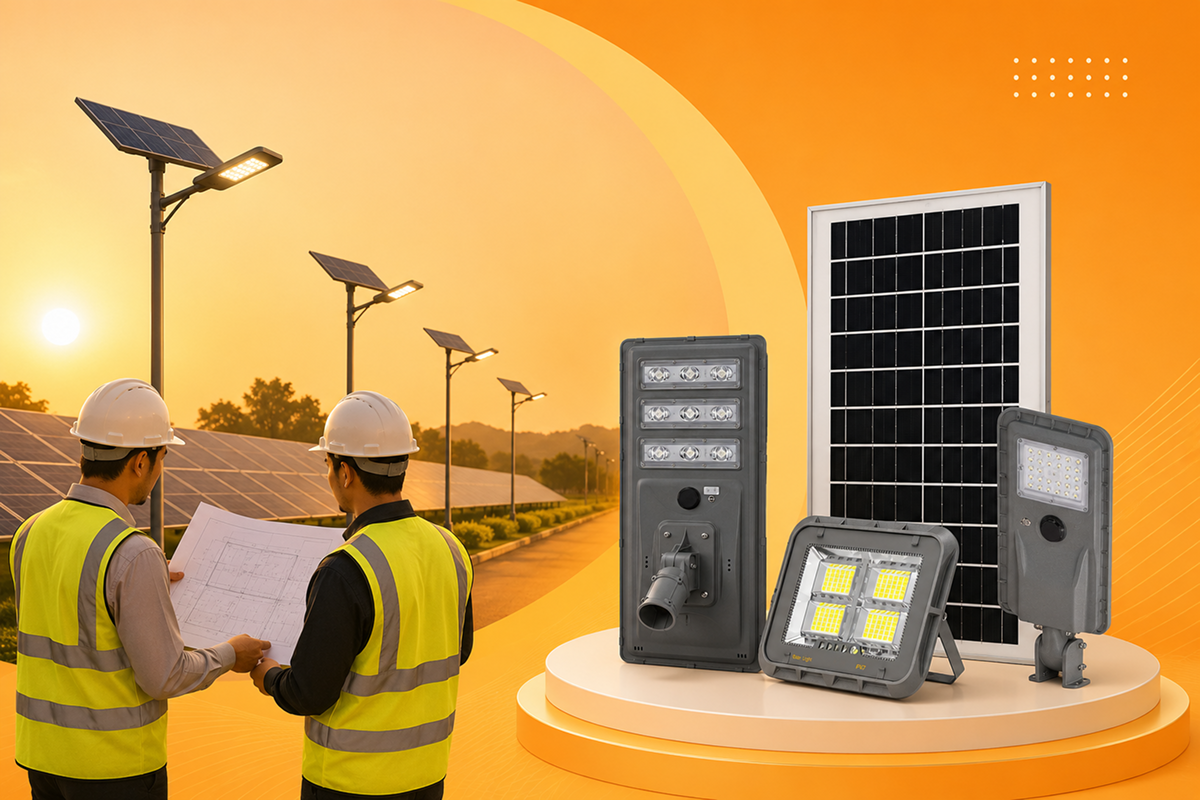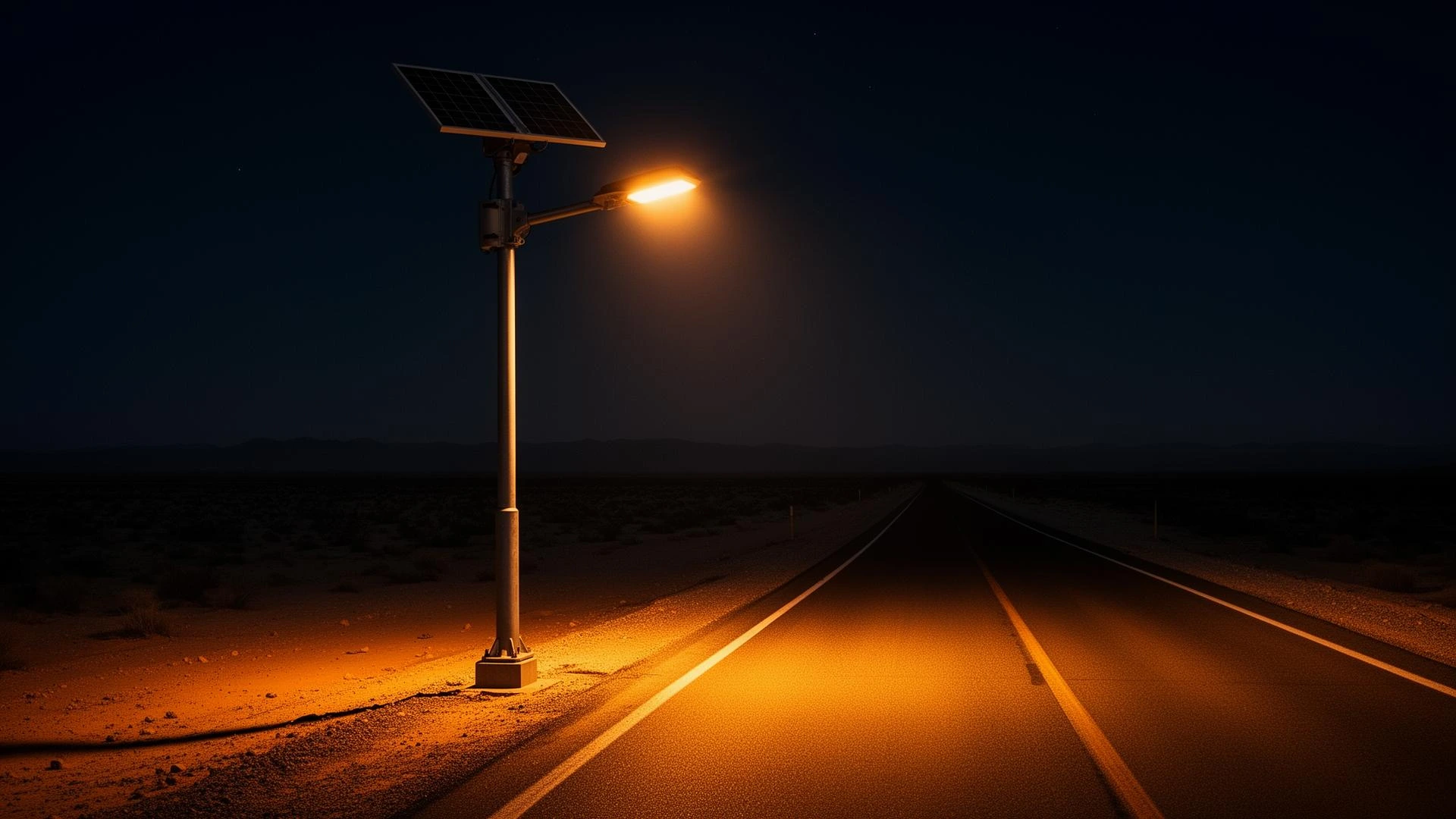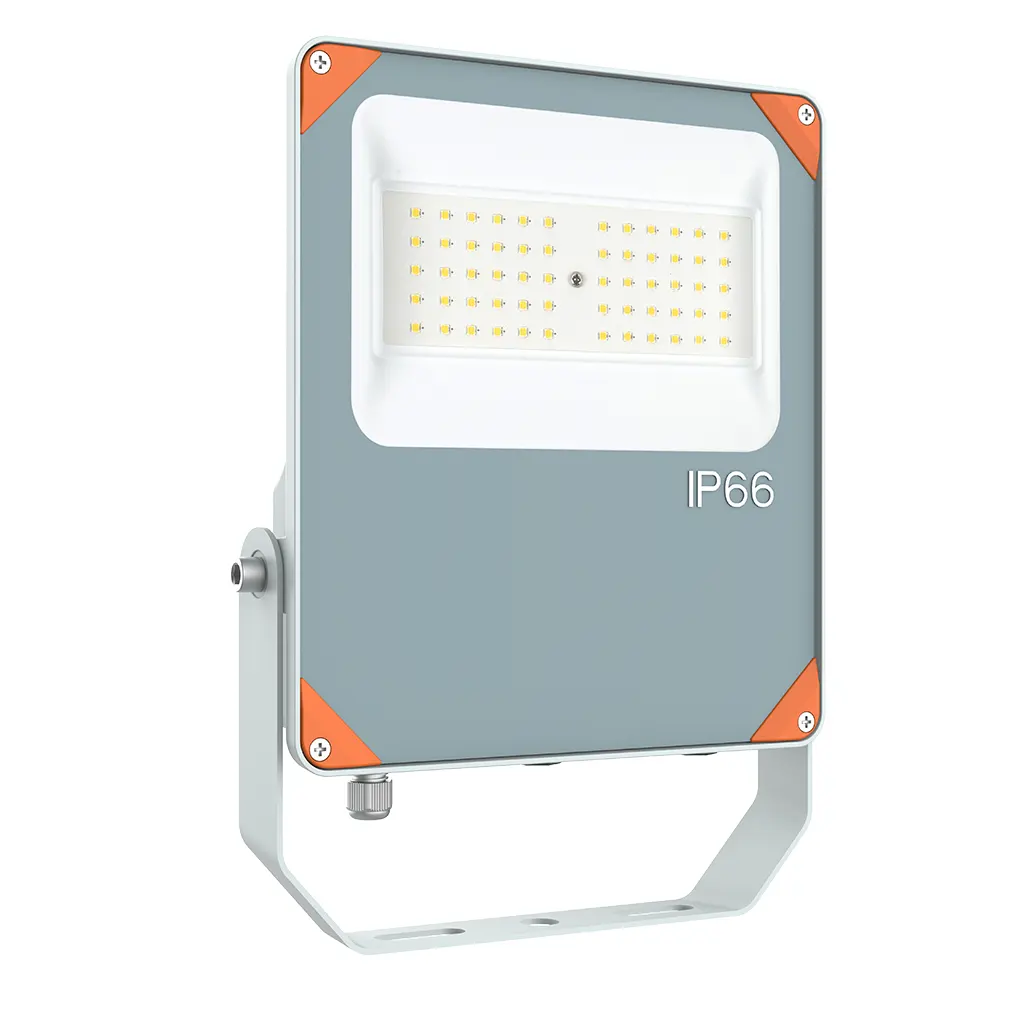
Selecting the right solar street light for your project involves careful consideration of multiple factors. This guide will walk you through the key decision points to ensure optimal performance and value.
Understanding Your Location
The first step is analyzing your installation site. Key factors include:
- Solar Irradiance: Average daily sun hours determine panel sizing
- Weather Patterns: Rainy seasons affect battery autonomy requirements
- Temperature Range: Extreme temperatures impact component selection
- Shading: Nearby structures or trees may reduce solar harvest
Determining Lighting Requirements
Different applications require different lighting levels:
- Residential streets: 10-15 lux average
- Main roads: 15-25 lux average
- Highways: 25-30 lux average
- Parking areas: 20-50 lux depending on security needs
Calculating System Size
Once you know your lighting requirements, you can calculate the necessary system specifications. Key considerations include:
- Mounting height and pole spacing
- Required operating hours per night
- Autonomy days (backup capacity for cloudy weather)
- LED efficacy (lumens per watt)
All-in-One vs. Split Systems
Each configuration has its advantages:
All-in-One Systems: Easier installation, lower labor costs, compact design. Best for straightforward applications with good sun exposure.
Split Systems: Flexible panel positioning, can work in partially shaded areas, often larger battery capacity. Ideal for complex installations.
Quality Indicators
When evaluating suppliers, look for:
- Comprehensive technical documentation
- Third-party certifications (IEC, CE, etc.)
- Realistic warranty terms
- Track record of successful installations
- Local technical support availability