Remote areas often have serious electricity supply issues, especially in stormy weather. Many governments that are working in remote areas are opting for solar lighting, so not only do the people over there get the facility, but they can also create industrial systems over there. Solar Lighting for Remote Areas helps in Reducing Infrastructure Costs Without Grid Power.
The extension of the electrical grid can cost between $8,000 and $15,000 per kilometer without even including the maintenance and expense charges. These high costs make the traditional lighting projects more impractical for businesses, government, and property owners.
The solar lighting for remote areas is not only a cost-effective alternative but also eliminates the need for underground cables, utility poles, transformers, and monthly electricity bills.
Why Traditional Grid Expansion Is So Expensive?
The traditional grid includes the conventional electrical infrastructure, as if someone only has to place the lights on the poles. But reality is quite different. A grid-connected lighting project typically requires:
- Extensive trenching
- Underground cable installation
- Electrical conduits
- Utility poles
- Transformers
- Metering equipment
- Grid connection permits
- Skilled labor
- Ongoing utility fees
So, if a government or anyone wants to extend electricity to the remote areas, there are many issues in that. Every additional kilometer will increase the budget of the project. If the roads are not smooth or the terrain has mountains, forests, wetlands, or rocky areas, there would be excavation and installation costs even higher.
This is not it, Even after installation, operators must continue paying for:
- Electricity consumption
- Grid maintenance
- Emergency repairs
- Equipment replacement
- Utility service charges
These are the recurring expenses that the installer will need to pay continuously, no matter what.
How Solar Lighting Reduces the Infrastructure Costs?
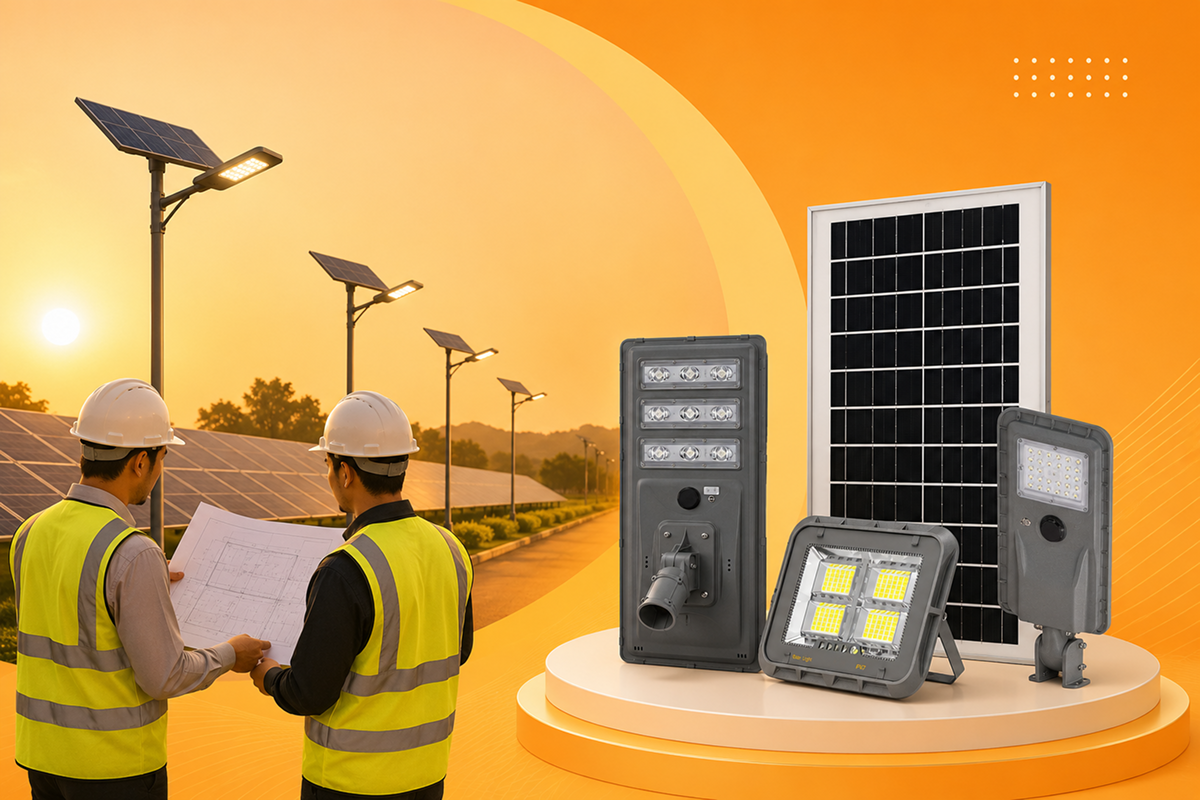
The solar lightning systems work independently of the electric grid. The lightning units include a solar panel, LED fixture, battery storage, mounting structure, and smart charge controller.
The best part about solar lights is that each unit generates its own electricity and stores it. Therefore, there is no need to add some underground wiring between poles or any expensive utility connections. This helps in reducing the installation issues and allows the lightning systems to be deployed everywhere.
Comparing Solar Lighting and Grid-Tied Systems
It is very important to consider the features and compare both electricity options when you want to get long-term facilities.
| Feature | Solar Lighting | Grid-Tied Lighting |
| Electrical trenching | Not required | Required |
| Underground wiring | None | Extensive |
| Utility connection | Not required | Required |
| Monthly electricity bill | None | Ongoing |
| Fuel costs | None | Possible backup generator costs |
| Maintenance | Low | Moderate to High |
| Scalability | Very easy | Expensive |
The standalone systems have higher initial investment, but if you look at the next 2 to 5 years, they bring equal ROI back.
Avoiding Diesel Generator Expenses
Many remote facilities rely on diesel generators when grid electricity is unavailable.
While generators provide temporary power, they introduce numerous ongoing costs:
- Rising diesel fuel prices
- Fuel transportation to remote locations
- Frequent servicing
- Engine maintenance
- Oil changes
- Mechanical failures
- Noise pollution
- Carbon emissions
The best thing about solar lighting is that it eliminates all of the expenses completely. It produces electricity from sunlight and helps lower costs. So, in areas where there are isolated communities, solar lighting can help a lot.
What are the Essential Components of an Off-Grid Solar Lighting System?
There are several essential components of the off-grid solar lighting system that help in better performance for their lifetime.
High-Efficiency LED Lighting
A high-efficiency LED lighting system is one of the major components in a Solar system. Nowadays, outdoor lights, including LED solar lights, give the maximum illumination by consuming no energy at all if they are directed towards solar panels. Other than solar LED bulbs, normal LED’s also use up to 90% less energy and provide longer lifespan, better brightness, and improved reliability. The main benefit is that LED Requires the less power and also reduce the battery and solar panel size. This helps in making the system more efficient.
Solar Panels
Solar panels help in converting the electricity during the day light. The continuous electricity generation helps in charging the batteries that can then work at night as well. This not only charges the batteries but also gives power to connected devices by day simultaneously. The new solar panels are more durable and can withstand snow, rain, dust, UV rays, and high temperatures. They require very minimal maintenance. The quality solar panels can continue operating efficiently for more than 25 years.
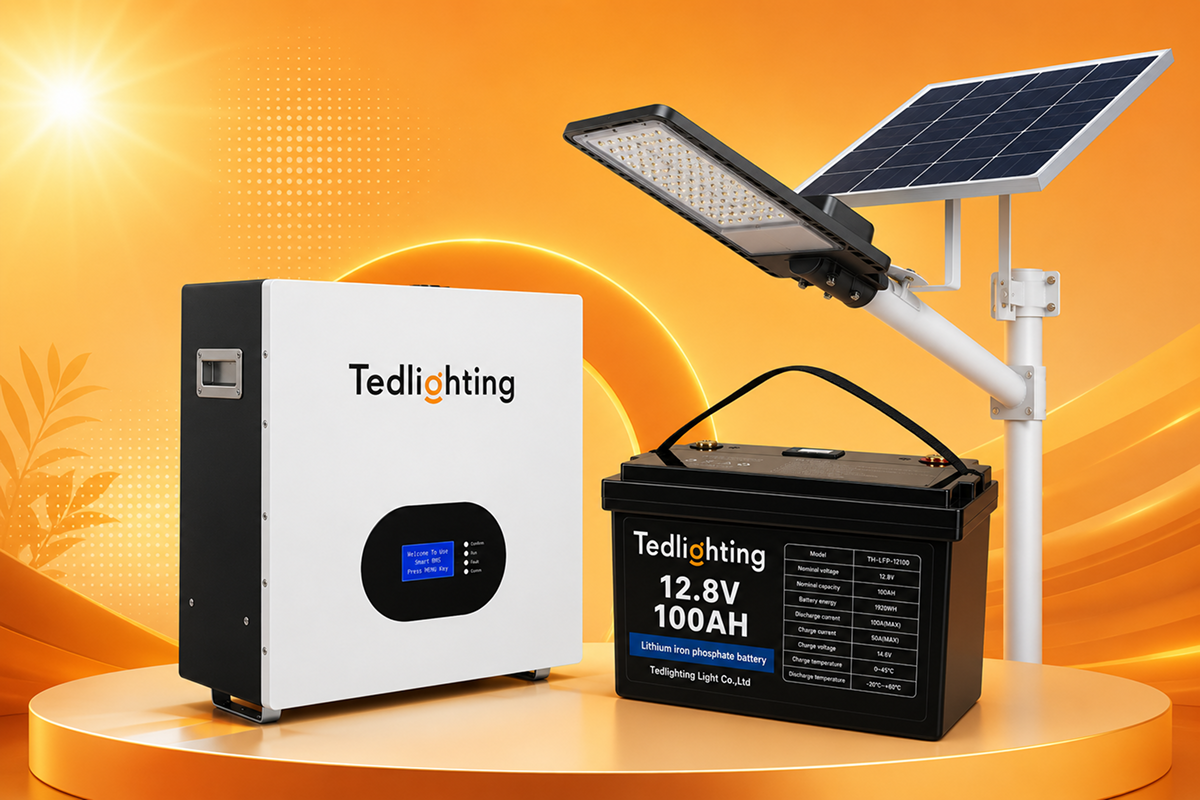
LiFePO4 Battery Storage
Battery storage is one of the most important components of any autonomous solar lighting system.
Most modern systems now use Lithium Iron Phosphate (LiFePO4) batteries because they offer several advantages over older lead-acid batteries.
Benefits include:
- Longer service life
- Higher charging efficiency
- Deeper discharge capability
- Faster charging
- Lower maintenance
- Improved safety
- Excellent temperature performance
These batteries can often deliver thousands of charging cycles before requiring replacement, making them ideal for remote installations.
Intelligent Charge Controllers
Smart charge controllers maximize system efficiency by carefully managing battery charging and power distribution.
Many controllers automatically adjust brightness levels depending on available battery capacity and weather conditions.
Advanced features may include:
- Motion detection
- Automatic dimming
- Sunrise and sunset operation
- Battery protection
- Remote monitoring
- Fault detection
These intelligent controls help extend battery life while ensuring reliable nighttime illumination.
Applications of Solar Lighting in Remote Areas
One of the greatest advantages of solar lighting is its versatility. These systems can be installed almost anywhere without requiring existing electrical infrastructure.
Rural Roads and Highways
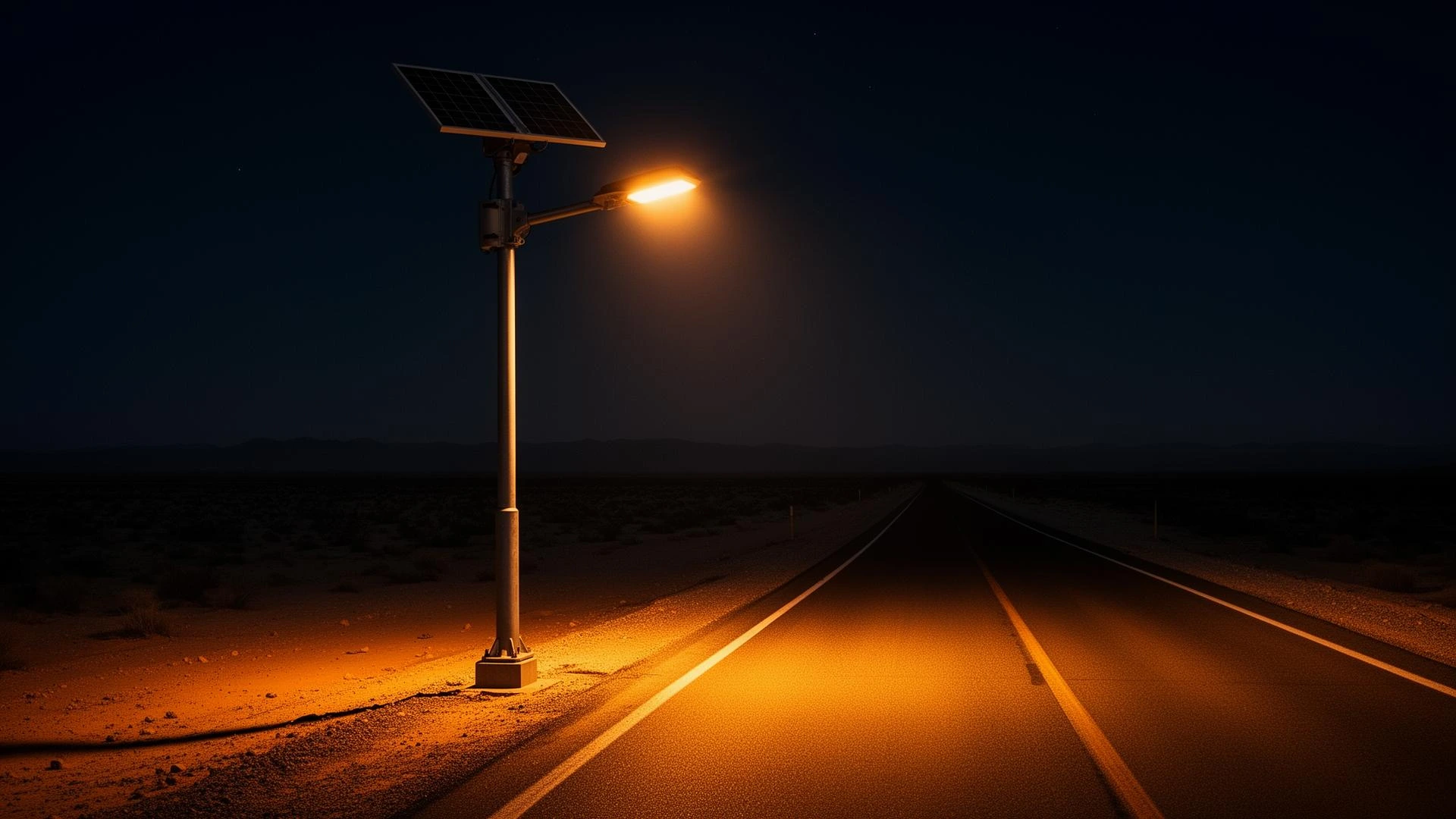
Many rural roads remain dangerously dark after sunset. Installing solar street lighting improves:
- Road safety
- Pedestrian visibility
- Nighttime transportation
- Crime prevention
- Emergency response access
Improved lighting also supports local businesses by extending commercial activity into the evening.
Remote Villages
Off-grid villages often lack access to reliable electricity.
Solar lighting provides safe public spaces by illuminating:
- Streets
- Walkways
- Schools
- Community centers
- Water collection points
Reliable nighttime lighting also improves education, social activities, and overall quality of life.
Solar Home Systems
Standalone Solar Home Systems (SHS) provide essential electricity for individual households located far from the electrical grid.
These systems commonly power:
- Indoor lighting
- Mobile phone charging
- Small fans
- Radios
- Internet equipment
- Small appliances
They offer families greater energy independence while reducing reliance on candles, kerosene lamps, or diesel generators.
Healthcare Clinics
Reliable electricity is essential for healthcare facilities operating in remote locations.
Solar-powered lighting supports:
- Emergency treatment
- Vaccine refrigeration
- Medical equipment
- Nighttime patient care
- Communications equipment
Because these systems continue operating independently of the utility grid, they also improve disaster preparedness and emergency response.
Agricultural Operations
Farmers increasingly use solar lighting across:
- Livestock facilities
- Irrigation systems
- Storage buildings
- Farm roads
- Equipment yards
Solar-powered illumination improves worker safety while reducing electricity expenses across large agricultural properties.
Mining and Industrial Sites
Temporary industrial projects often require dependable lighting in locations where utility infrastructure is unavailable.
Solar lighting can be rapidly deployed for:
- Construction sites
- Mining operations
- Oil and gas facilities
- Exploration camps
- Temporary work zones
Because no trenching is required, installation is significantly faster than conventional lighting.
Environmental Benefits of Solar Lighting
In addition to financial savings, solar lighting offers substantial environmental advantages.
Unlike fossil fuel-powered generators, solar systems generate electricity without producing greenhouse gas emissions during operation.
Environmental benefits include:
- Reduced carbon footprint
- No fuel consumption
- Lower air pollution
- Quiet operation
- Reduced environmental disturbance
- Minimal land disruption during installation
These benefits make solar lighting an important part of sustainable infrastructure development worldwide.
Long-Term Return on Investment
While some organizations initially focus on equipment costs, the true value of solar lighting becomes clear when evaluating lifetime ownership expenses.
Savings accumulate through:
- No monthly electricity bills
- Reduced installation costs
- Minimal maintenance
- Longer equipment lifespan
- Lower labor requirements
- Elimination of fuel expenses
For many projects, these savings allow the initial investment to be recovered within just a few years, after which the lighting system continues delivering essentially free electricity.
Choosing the Right Solar Lighting System
Selecting the correct system depends on several project-specific factors.
Important considerations include:
- Geographic location
- Average daily sunlight
- Required illumination level
- Number of operating hours each night
- Local weather conditions
- Pole height
- Battery backup requirements
- Future expansion plans
Proper system sizing ensures dependable performance throughout the year, including periods of reduced sunlight.
Conclusion
TedLighting provides advanced solar lighting systems for remote areas, helping reduce electricity and infrastructure costs while delivering a reliable source of light. These solutions support government initiatives, communities, and organizations by enabling efficient operations and sustainable development in off-grid locations.