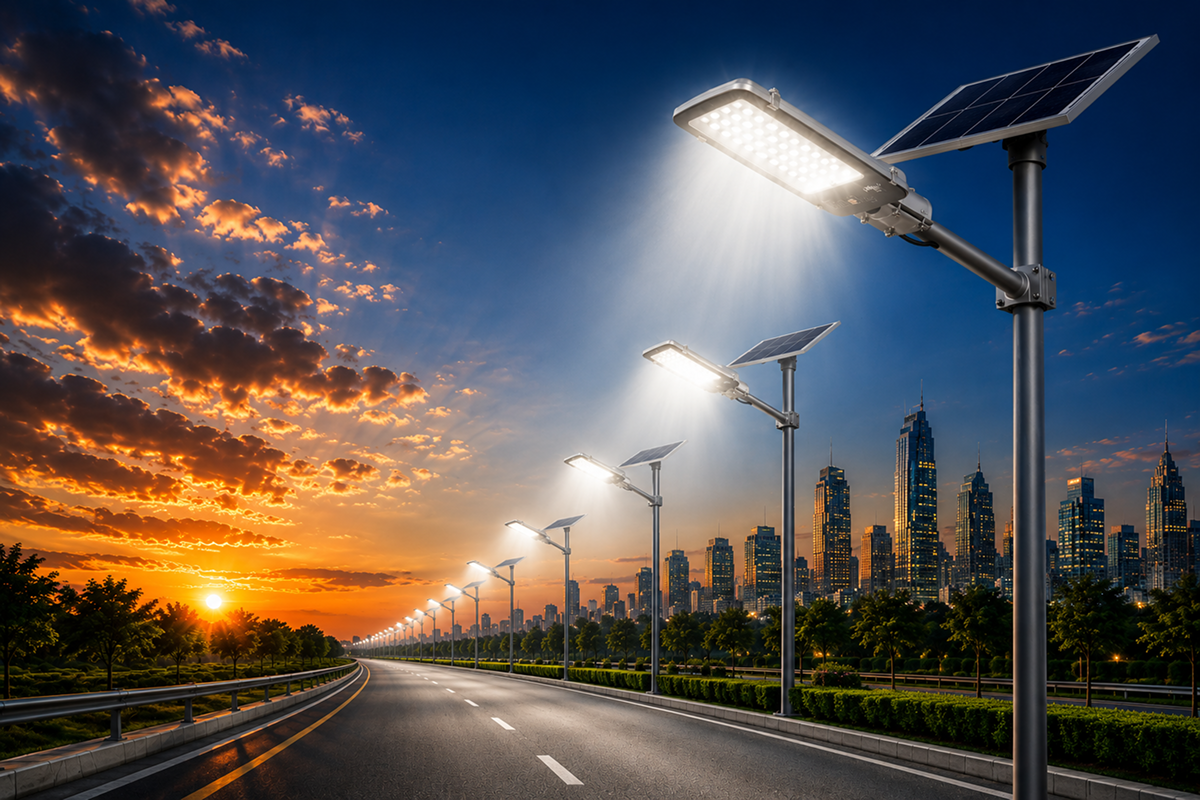
The solar street lighting industry is undergoing a remarkable transformation. As we enter 2024, several key trends are reshaping how cities and communities approach outdoor illumination.
AI-Powered Smart Controls
Artificial intelligence is revolutionizing solar street lighting management. Modern systems can now predict weather patterns, adjust brightness based on pedestrian traffic, and even perform self-diagnostics to alert maintenance teams before failures occur.
These smart controls not only improve reliability but also extend battery life by optimizing energy consumption throughout the night. Some systems report energy savings of up to 40% compared to traditional timer-based controls.
Next-Generation LiFePO4 Batteries
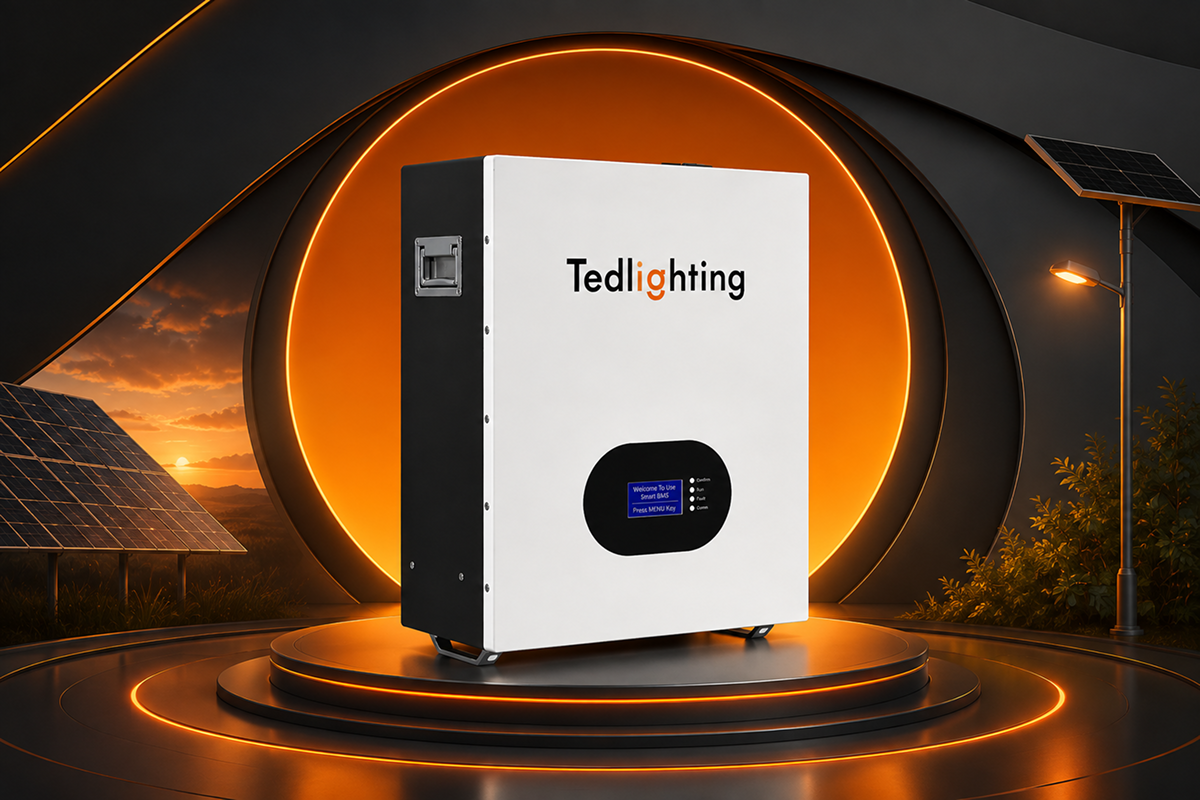
Lithium iron phosphate (LiFePO4) batteries have become the gold standard for solar lighting applications. The latest generation offers impressive specifications:
- Cycle life exceeding 6,000 charge-discharge cycles
- Operating temperature range from -20°C to 60°C
- Built-in Battery Management Systems (BMS)
- 15+ year expected lifespan
High-Efficiency Solar Panels
Monocrystalline solar panels with efficiencies above 22% are now standard in premium solar street lights. Some manufacturers are beginning to integrate bifacial panels that can capture reflected light from the ground, increasing energy harvest by up to 15%.
IoT Connectivity and Remote Monitoring
The Internet of Things has made remote monitoring and management a reality. Project managers can now:
- Monitor real-time performance of every light in a network
- Adjust lighting schedules remotely
- Receive instant alerts for any system anomalies
- Generate detailed energy and performance reports
Looking Ahead
As these technologies mature and costs continue to decline, solar street lighting is becoming an increasingly attractive option for municipalities and private developments worldwide. The combination of sustainability, cost-effectiveness, and smart features positions solar lighting as the future of outdoor illumination.